
First Impressions: "Love Me" Is A Slow-Burn K-Drama About Loneliness, Guilt, And Healing
Seo Jun Kyung (Seo Hyun Jin) is an accomplished and highly respected OB-GYN. Fiercely independent and single, her so-called inability to find a “suitable match” often seems to overshadow her professional success. But there is far more to the cold, emotionally unavailable Jun Kyung than meets the eye. She is a fractured soul who calls loneliness her best-kept secret, having normalized it as a way of life. The roots of this emotional withdrawal lie in a tragic accident years ago that reshaped her family dynamics, leaving Jun Kyung guarded, guilt-ridden, and fiercely self-sufficient. For her, love and romance are reduced to a physical need and are unnecessary in the larger scheme of things.

That long-held perception begins to shift following a series of chance run-ins with her next-door neighbor, Ju Do Hyun (Chang Ryul), a music composer. Easygoing, non-judgmental, and quietly warm, Do Hyun brings a sense of humor and lightness that cuts through Jun Kyung’s carefully constructed emotional walls. In a life weighed down by grief and restraint, he feels like a rare ray of sunshine.
As Jun Kyung slowly learns to trust again, she finds herself drawn to someone who treats her not as a problem to be fixed, but as an equal, an individual worthy of patience and respect. “Love Me” may begin at a measured, occasionally uneven pace, but it quickly establishes itself as a deeply personal and emotionally resonant story about loneliness, healing, and the hesitant possibility of connection. Here’s what you can expect from the premiere.
Warning: spoilers from the premiere episodes below.
Jun Kyung: single, lonely, and unapologetically herself
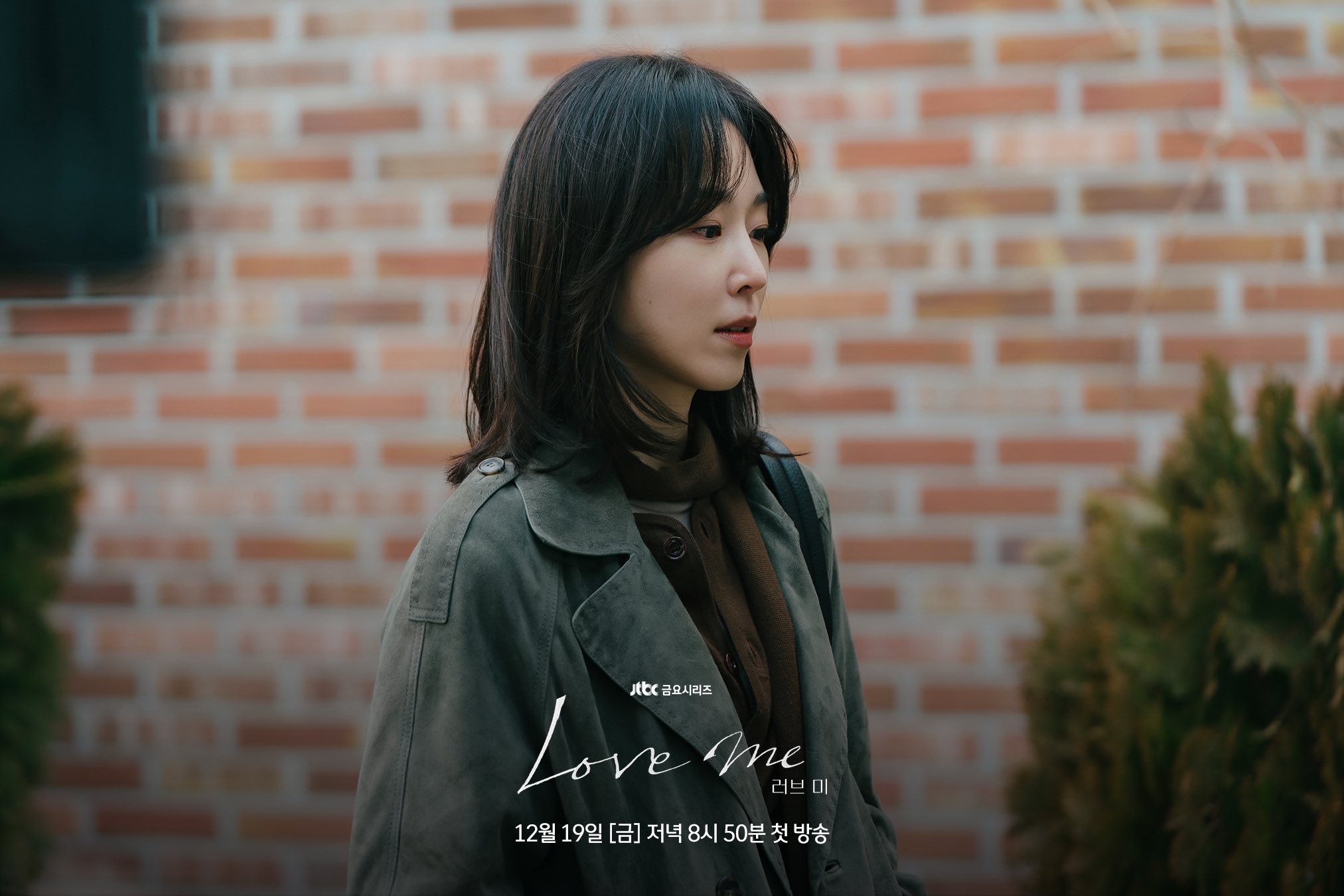
We first meet Jun Kyung at a bar, clearly on a blind date and visibly mustering every ounce of patience. Her date, a lawyer around her age, speaks to her with thinly veiled condescension. He comments on her age and her appearance as well as her single status. The moment is meant to provoke, and it does. The breaking point arrives when he casually waves a room key card at her. Jun Kyung responds with calm precision. She turns him down, calls out his impudence, downs her drink instead of throwing it, pays for the meal, and walks out with her head held high. It’s a striking moment that establishes her individuality and unwavering sense of self-worth.
This independence, however, is once again questioned by her well-meaning best friend, a fellow doctor, married, and a mother of three, who gently advises Jun Kyung to stop pushing men away and be more receptive. Jun Kyung’s irritation is palpable and understandably so. Like many single women, she is constantly reminded that finding a partner becomes harder after a certain age. Her friend suggests that her standards are impractical and perhaps even too high, a familiar accusation often leveled at women who refuse to settle.
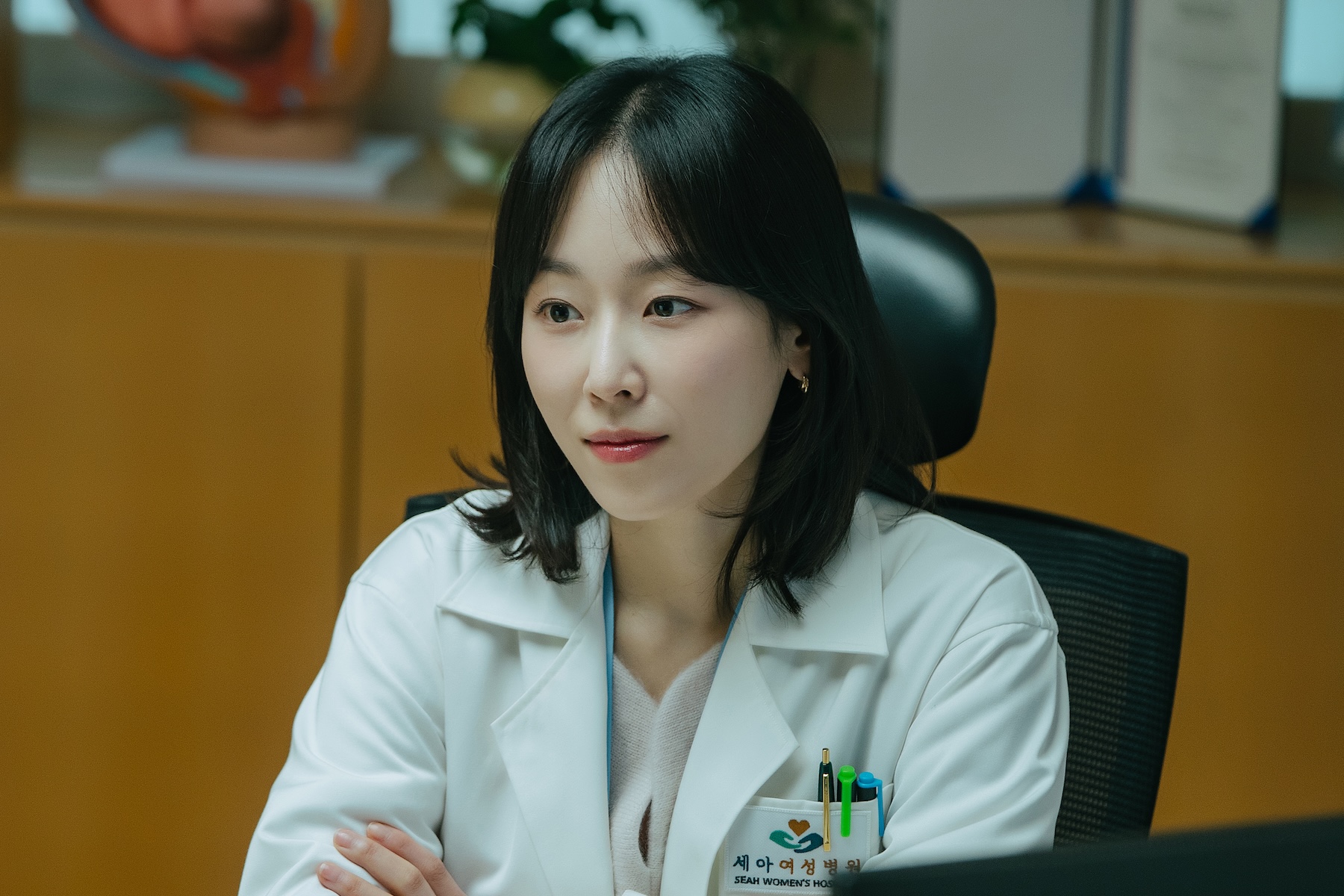
It is in this moment that Jun Kyung offers viewers a revealing insight into who she truly is. She describes loneliness as her best-kept secret, something she has learned to own rather than fear. What unsettles her is not loneliness itself, but the assumption that being single automatically equates to being lonely. She admits that her defenses rise each time she is questioned or pitied because her life is reduced to what it supposedly lacks.
This perspective feels deeply real and painfully relatable. Jun Kyung reflects the experience of many professionally accomplished women who are still measured by their relationship status, as though success, fulfillment, and selfhood are incomplete without romantic validation. With her emotional honesty and refusal to apologize for her choices, Jun Kyung emerges as a character defined not by detachment, but by clarity. She’s a woman with high standards, firm boundaries, and a strong sense of self.
Jun Kyung and the weight of unspoken guilt
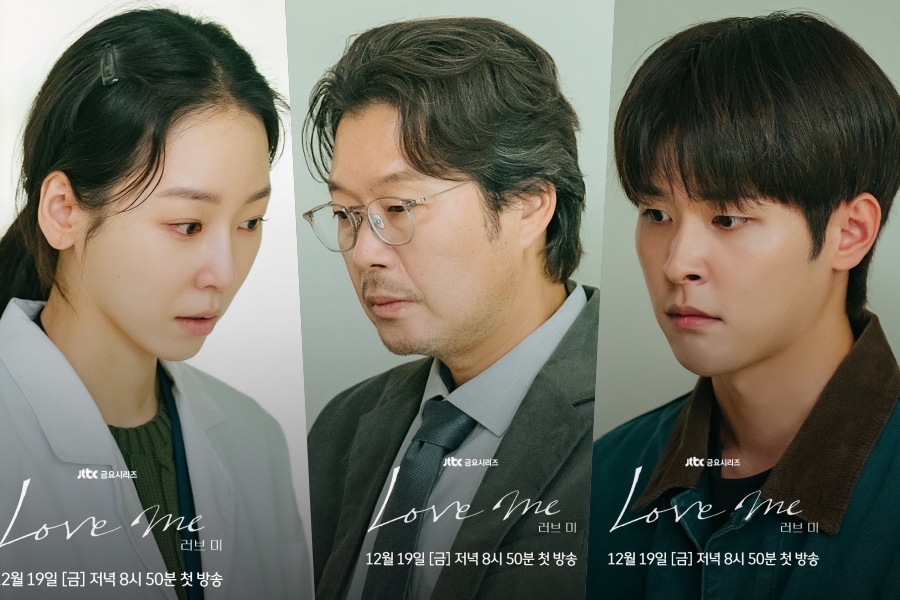
The Seo family dynamics are deeply fractured, and what once appears to have been a warm, functional household has quietly fallen apart. Jun Kyung’s father, Seo Jin Ho (Yoo Jae Myung), is a professor who takes voluntary retirement to care for his ailing wife, Kim Mi Ran (Jang Hye Jin), after her accident. Jun Kyung seems barely connected to her parents, and the distance between them has grown apart over the years.
They have an anniversary dinner, which is tense and stilted, the atmosphere weighed down by unspoken strain. Even as the father makes visible efforts to lift the mood and comfort both his wife and children, the emotional undercurrents remain heavy and unresolved. Conversation feels forced, and warmth never quite settles in the room.
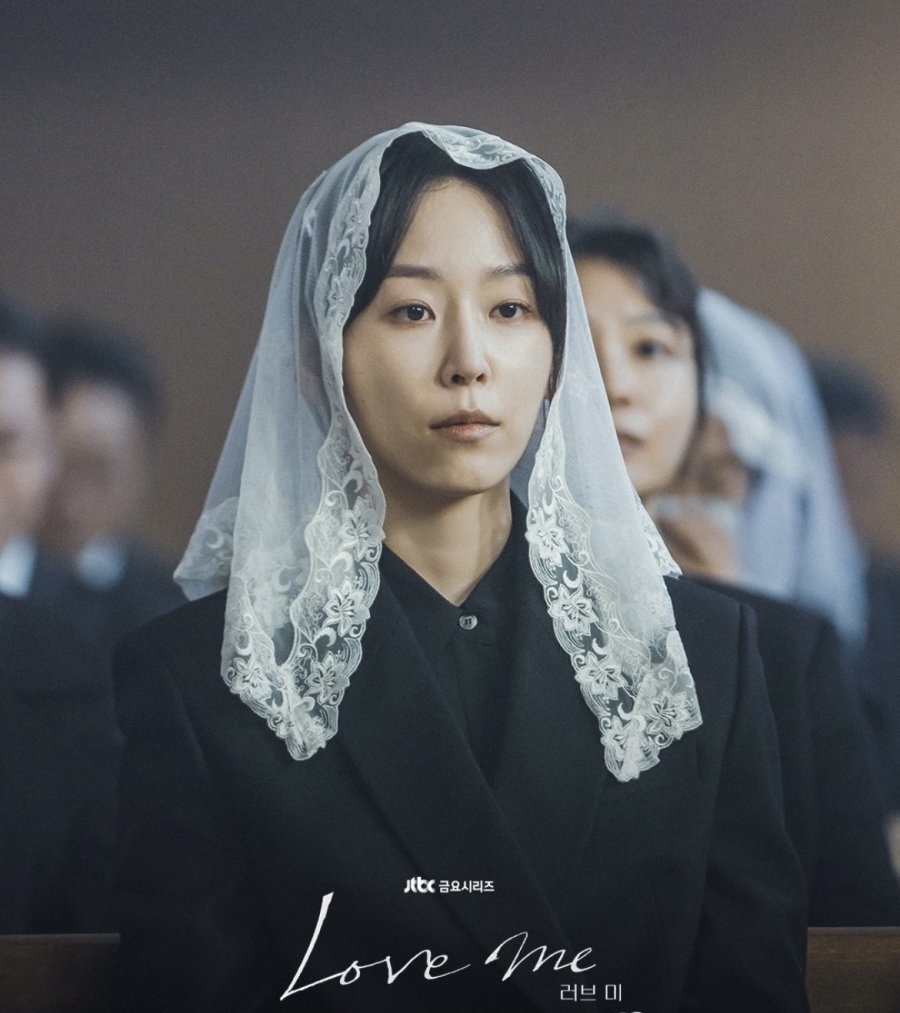
As Jun Kyung leaves for the night, her father requests her to visit more often. But the night turns into something the family will never forget. Her mother quietly passes away at the very moment when her father is preparing to surprise her with a much-needed getaway to Jeju Island. The cruelty of the timing underscores the fragility of the family’s assumptions, turning what was meant to be a gesture of care and hope into a quiet, devastating loss.
Jun Kyung maintains a calm, almost clinical composure through the funeral and its related rituals, appearing emotionally unmoved. But the show is careful to reveal that this restraint is not indifference. In one of the most affecting moments, soon after her mother’s death, Jun Kyung urges a laboring mother in the operating room to push harder, telling her she cannot appear weak in front of her child. Moments later, she breaks down alone, calling her late mother’s phone and finally releasing the grief she had kept tightly contained. It is a quiet but devastating contrast, where professional authority collapses into personal remorse.
The roots of this guilt lie years earlier. The accident of Jun Kyung’s mother occurred while she was on her way to deliver something to Jun Kyung at the hospital. Though Jun Kyung had asked her mother not to come, her mother insisted on driving herself. The accident left her immobile and reshaped the family entirely. Seo Jin Ho devoted himself to caregiving, Kim Mi Ran slipped into despair and depression, and Jun Kyung internalized the belief that her very existence had caused irreparable damage.
This unresolved guilt explains her emotional withdrawal, the suppressed anger, and the inability to forgive herself. There is an unhealed part of her who had wanted her mother and family to blame her for the incident. Her way of absolving her burden is by pushing herself into an abyss of loneliness, away from her family.
Her brother, Jun Seo (Lee Si Woo), even calls her out for being just like their mother, taking things personally and being self-absorbed. However, he calls Jun Kyung a coward. This comes as a hard slap, since it is the truth. Though they are both strong-headed and self reliant, both mother and daughter aren’t the kind to let themselves burden another.
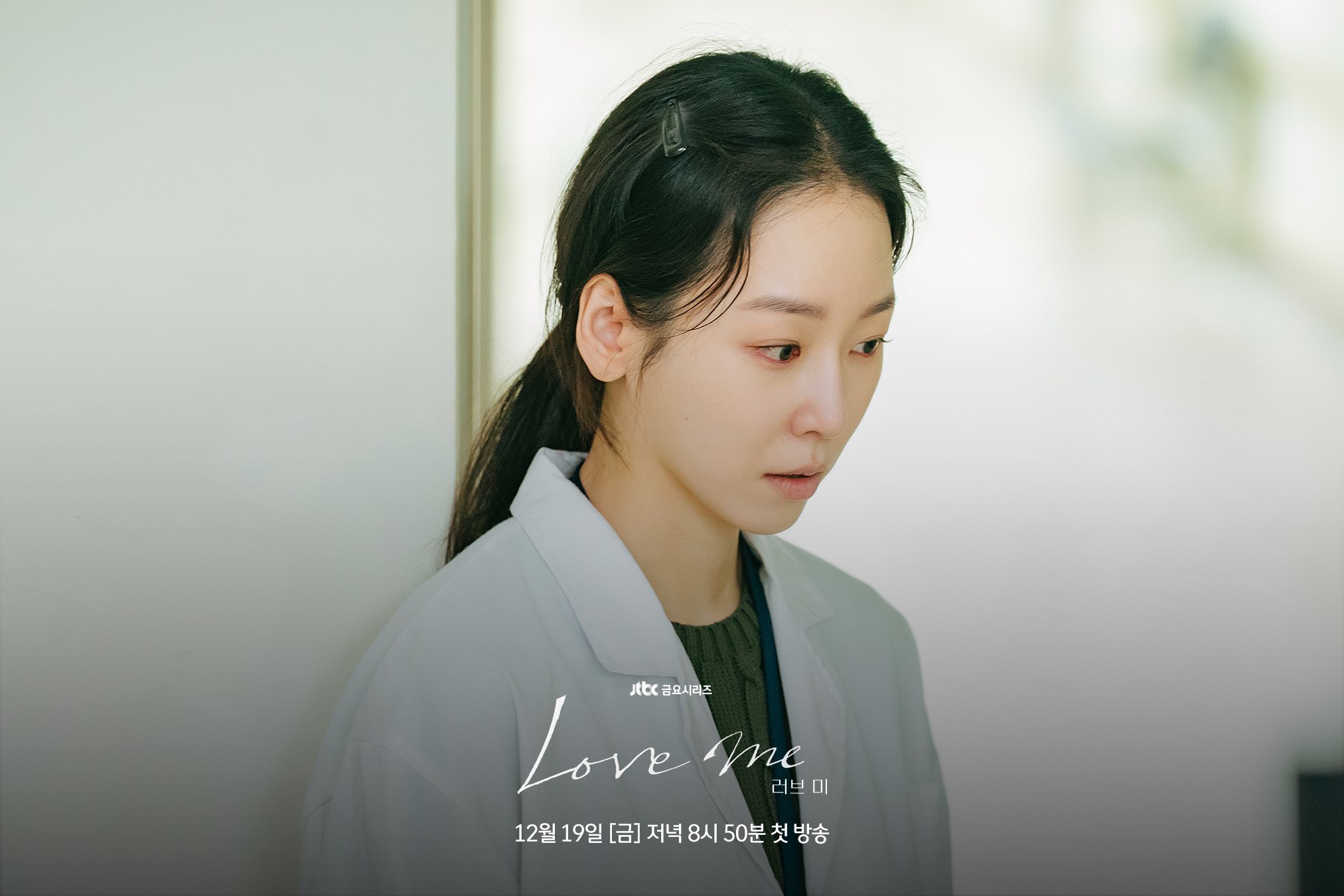
What makes this storyline especially compelling is that Jun Kyung is not the only one who is grieving. Her father and brother are also coping with the loss in their own ways, quietly and often awkwardly. The show captures this emotional dissonance with restraint and honesty, reminding viewers that no two people process loss the same way, and healing rarely follows a shared timeline.
Do Hyun, the free-spirited gentle disruption
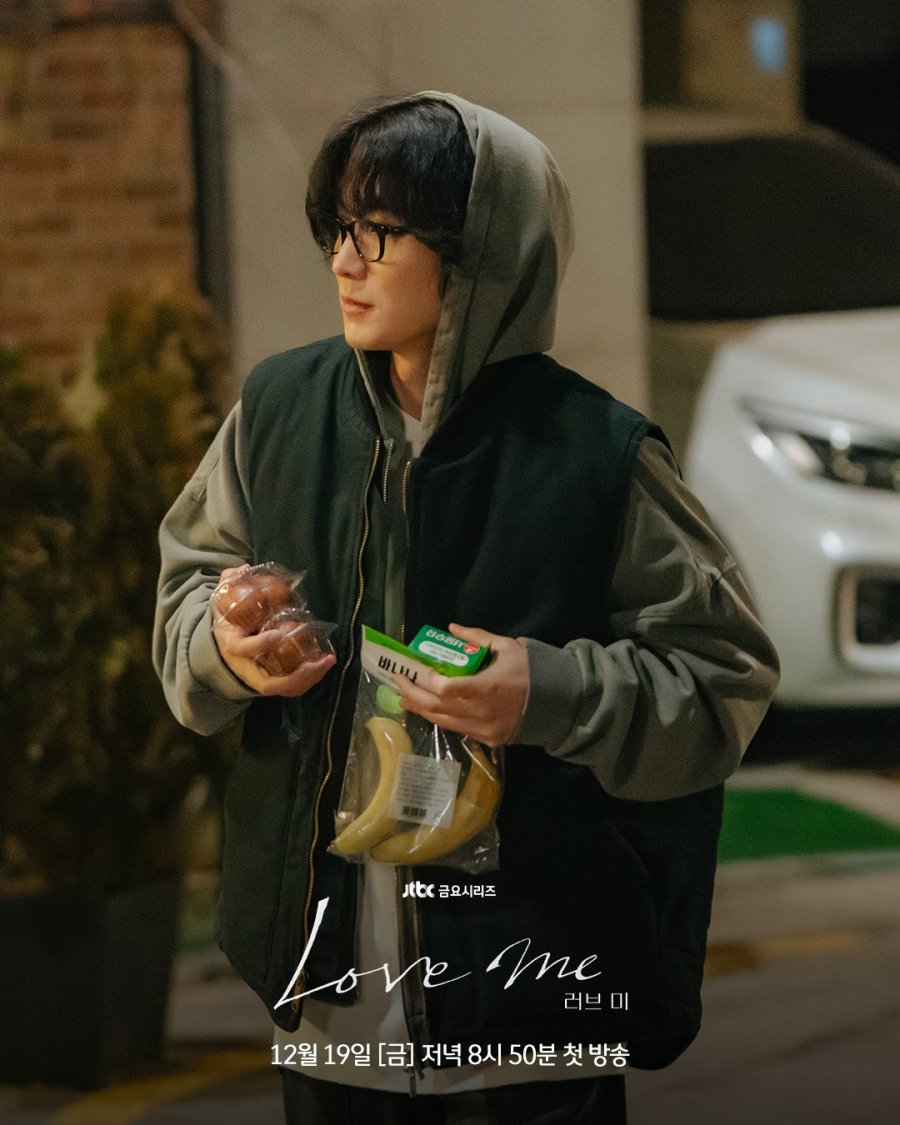
Do Hyun enters Jun Kyung’s life not as a romantic catalyst but as a quiet disruption to her carefully contained solitude. Their first encounter is almost suspicious. When they run into each other at a convenience store late at night, Jun Kyung briefly assumes he might be following her. The moment passes, and it is only later that she realizes he lives in the building opposite hers. From her window, she watches him in an unguarded moment, relaxed, absorbed in himself, and casually composing music in the air. It is a small, wordless scene, but one that visibly intrigues her.
Their paths cross again when Jun Kyung is drunk and vulnerable, and Do Hyun steps in to help her home. The night takes a sudden turn when she receives a call informing her that her brother has been in an accident, and Do Hyun quietly drives her without hesitation. These moments establish him as present rather than performative—attentive without intrusion.
What complicates their dynamic is that Do Hyun already knows more about Jun Kyung than she realizes. He later admits that he was at the bar during her disastrous blind date and overheard the entire exchange. Instead of being put off, he was impressed by her composure, her confidence, and the way she refused to tolerate disrespect. He tells her that he found himself watching out for her, without even realizing she was his neighbor. His interest is direct and disarming. He is intrigued by her, and he asks if she would like to know more about him.
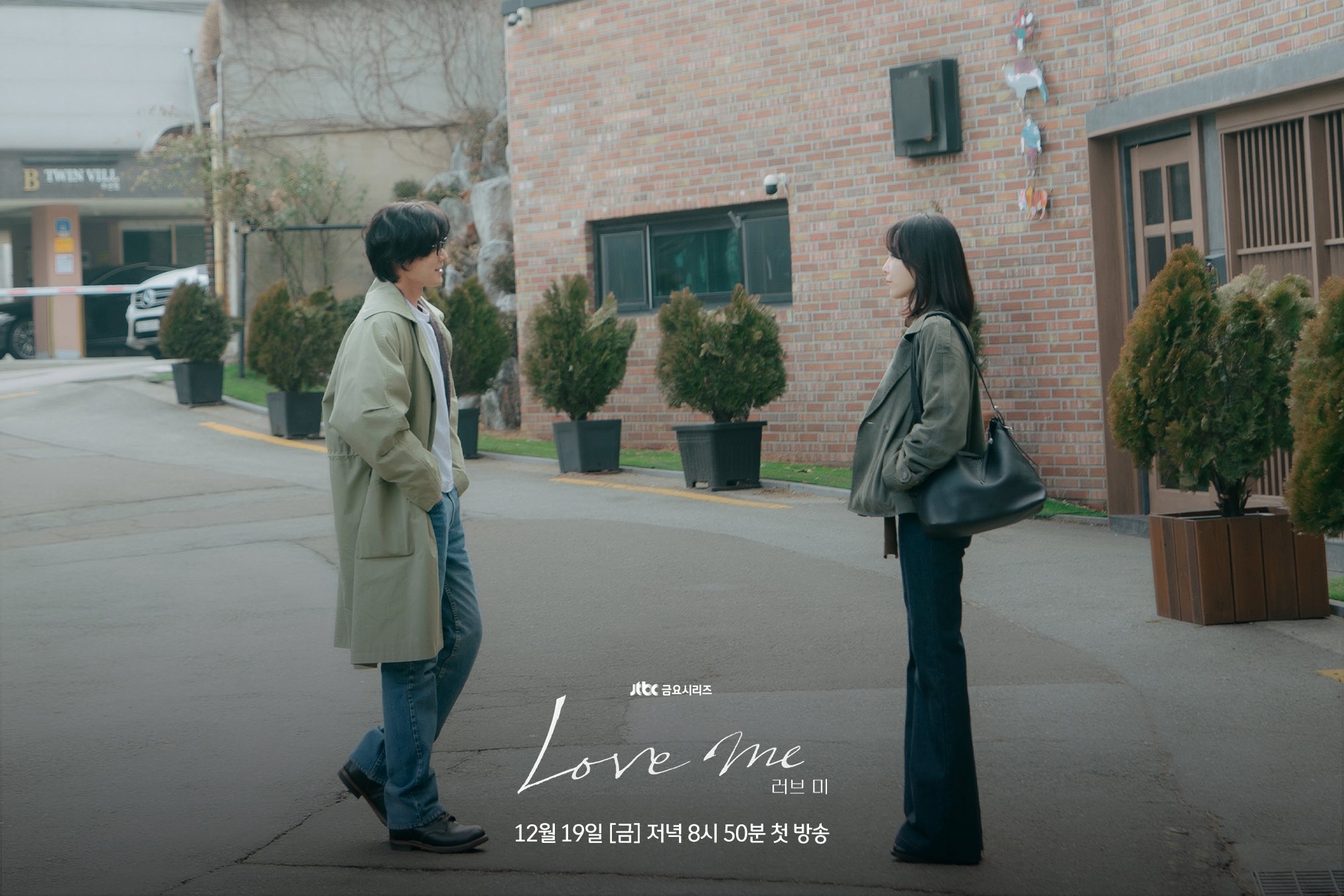
Jun Kyung, being Jun Kyung, responds with skepticism. She quickly categorizes him as younger, unsettled, and still in a rebellious phase—a musician without financial stability or clear direction. Even when her friend points out that he seems interesting, Jun Kyung shuts the possibility down, rejecting him with her usual decisiveness. It is her way of protecting herself by not allowing herself to feel.
Yet the encounter leaves its mark. Do Hyun is one of the few people who sees Jun Kyung as a whole person rather than a problem to be fixed. He articulates something she resists acknowledging, that her loneliness is not accidental but something she has prolonged and learned to protect. In that moment, Do Hyun doesn’t challenge her independence, but he does unsettle the emotional logic she has built her life around. And that quiet disruption makes him impossible to ignore.
Start watching “Love Me”:
Puja Talwar is a Soompi writer with a strong Yoo Yeon Seok and Lee Junho bias. A long time K-drama fan, she loves devising alternate scenarios to the narratives. She has interviewed Lee Min Ho, Gong Yoo, Cha Eun Woo, and Ji Chang Wook to name a few. You can follow her on @puja_talwar7 on Instagram.